Wednesday, July 21, 2021

The Threat of Putin’s Mythologized Russian-Ukrainian History


Photo Credit: www.dailystar.co.uk

Putin’s article on Russian-Ukrainian history is written by a man living in a mythologized past of his parents.  What Putin does next will run up against the reality on the ground at the expense of Ukraine, of Russia, and of global stability.


Putin’s recent article on Russian-Ukrainian history raised a storm of comment, not least because in it Putin threatens the existence of Ukraine as a nation based on a mythologized past at odds with the present reality of an increasingly autonomous Ukraine.


At first glance, the article contains nothing new.  Putin has made all the arguments before about a single Slavic people while ignoring Ukraine’s deep eastern European roots and Moscow’s suppression of Ukrainian identity.  He has also used before all the disinformation techniques in the article; a narrowly-focused context that omits critical facts, outright falsehoods, and false inferences, as well as arrogance of power toward a former captive state.  Putin’s rehashing old arguments and false claims highlights his incapacity to look forward while Ukraine increasingly establishes itself as a state independent of Russia.


The article is cause for serious concern though because Putin has often used articles, speeches, and legislation to signal his next move.  Putin likes to set out, from his perspective, incontrovertible facts, or truths, in speeches or articles as a foundation for foreign policy, as he did in his recent article.  He used a speech at the Valdai Club meeting in November 2014, after annexing Crimea, to lash out at the West for destabilizing the international system, a constant theme since then.  And he did it again in April this year when he warned the West about crossing the Kremlin’s red lines.  He wrote in June 2020 in the American publication, The National Interest, an article that was a nostalgic, white-washed tour of the Soviet Union’s role during WWII and made a proposal for a new Allied summit to agree on a new international order and, not incidentally, affirm Russia’s importance to global stability.


Each article or speech has had a purpose that advances Putin’s agenda often at the expense of fact, objective meaning, and common understanding.  So, what purpose does his most recent article serve?


Some commentators suggest the article is a warning to Ukrainian President Zelenskyy, who has met with Chancellor Merkel of Germany and will meet with President Biden to strengthen support for Ukraine, including dropping Nordstream2 and advancing membership in the EU and NATO.  In response to Western pressure to reduce corruption, President Zelenskyy has recently acted to curtail Ukraine’s oligarchs, including Viktor Medvedchuk, who is close to Putin and under house arrest in Ukraine for treason.  Clearly, Zelenskyy has wandered a bit too far off the farm for Putin’s comfort.


At the same time, Putin is under pressure at home due to upcoming parliamentary elections at a time when his popularity is declining and his party’s popularity is in the gutter.  Putin is so worried that he has put up his Foreign Minister, Sergey Lavrov, and his Minister of Defense, Sergei Shoigu, to lead the United Russia party list of candidates.  Putin’s campaign this spring and summer against independent civil society organizations and media is another sign of nervousness.  By beating the drum of Slavic unity and patriotism, Putin may hope to carry his party over the finish line in September.  Still, the article seems an ineffectual means to boost falling ratings.  And Zelenskyy seems unmoved by Putin’s warning, even trolling Putin with comments about Putin having plenty of time on his hands to write articles.


The article is important though because with it Putin is setting the stage, not for the election, but for what may be necessary should the outcome of the election be at risk--and remember that his purpose is not to win but to give his party overwhelming control of parliament.  In the past, Putin has used foreign adventures to improve his ratings and improve popular support for his party.  If things go badly in the lead-up to the election, the article will serve as a point of reference to anchor whatever action he finds necessary to boost his party’s chances.  He can rally the Russian people around the flag while exclaiming to a shocked Western audience that he gave fair warning, therefore the fault is theirs for failing to respect Russia’s right to protect its interests.  That Russian Defense Minister Shoigu has mandated the article to be read by all military recruits suggests the purpose of the article is to circle the wagons should it be necessary.


At roughly the same time the article came out, there was a surprising leak of Kremlin papers that purportedly exposes Putin’s subversion of the 2016 US election.  The article and the leak are of the same piece.  Given how tight Putin’s inner circle is, the most likely explanation is that the leaker is Putin.  It is characteristic of Putin to believe that he can intimidate by bluster.  Putin’s “red line” speech, his threat to sink British warships in the Black Sea, and his threat to invade Ukraine to protect Russian interests, are bluster to get what he wants without having to do anything. He moves from bluff to action only if he has to.  A leak that attributes to Putin substantial damage to the US domestic political process--especially if his adversary is already predisposed to believe he is capable of such acts--signals that Putin did it once and, if he is pushed, he is capable of doing it again or something equally harmful.  Putin wants the US to believe that going up against him will be very costly to the US. The article tells his audience he has the right and the leak tells his audience he has the power.


However, right now Putin has a problem, but he does not have a solution.  His problem is an election in September and nothing to show the Russian people.  Domestic problems--not least falling welfare and an escalating pandemic--are eroding his popularity and that of his party.  He has no new foreign adventure to offer to rally the people around him, unless one is handed to him or, if all else fails, he can engineer a little incursion into Ukraine of some kind that might just do the trick.  In Putin’s mind, although the Russian people are not in the mood for new adventures, Ukraine is not “really” foreign.  It is too much a part of Russian history.  Polls show that the Russian people are on his side on this one.  In sum, the course of action is not set but, if election prospects fall, the article provides cover if action is needed by setting out a narrative that justifies and excuses that action—such as the brotherhood of the Slavic peoples under Moscow’s domination.


The thing that should worry the Russian people is that early on when Putin had no foreign adventure to offer, he turned on the Russian people, in the 1999 terrorist bombings in which David Satter has shown Putin is implicated or in the war in Chechnya.


In the long run--in this case, the period in which Putin might hope to have uncontested power--Putin by all evidence yearns to right imagined historic wrongs and regain control of Ukraine.  Whether he will go to war to fulfill his dream depends on how desperate he is as his time slips away and his legacy is imperiled.


Thursday, April 22, 2021

Deconstructing Putin: It Is Time The West Learned To Be Bold

Vladimir Putin. Photo: Kremlin.ru


http://euromaidanpress.com/2021/04/23/deconstructing-putin/

A state in decline is a dangerous thing. An autocrat in decline is even more so. Putin’s provocations have caught the West off-balance for too long, resulting in a succession of provocations in Putin’s confrontation with the West. The Biden administration’s new sanctions, and undisclosed measures, are welcome, but the West needs to move beyond sanctions, from reactive responses to more preemptive measures.

Putin's Game

Putin’s deft approach to staging provocations has time and again given him the initiative against the West. He has moved incrementally, struck unexpectedly, and paused just short of drawing a serious response from the West. Fortune has favored the bold, as they say, but it is time the West learned to be bold as well. Otherwise, Putin’s latest military escalation in Ukraine or some other provocation will spin out of control.

Putin benefited from the element of surprise. His boldness surprised everyone when he seized Crimea. Unwilling or unable to confront this aggression, Ukraine and the West failed to act forcefully, even when Putin cemented his victory by incorporating Crimea into Russia proper. The West then struggled to confront Putin’s barely disguised invasion of eastern Ukraine.

At the same time, Putin was not reckless. In eastern Ukraine, after initial military success in Donbas and Luhansk, Putin carved out two anti-government enclaves. However, when Ukrainian resistance proved more resilient than he expected, he gave up on a new Novorossiya across southern Ukraine before the West could escalate its response.

Where he has failed, he has retreated–not always elegantly–while salvaging what he could.

When Russian missiles shot down commercial flight MH17 over eastern Ukraine, killing 298 persons on board, Putin was clearly shaken but refused to accept responsibility, and Russian disinformation kicked into overdrive, offering multiple, contradictory explanations for the tragedy, which were easily dismissed as having no grounding in reality. Although not credible, the disinformation succeeded in muddying the information sphere and Russia has so far avoided accountability.

Similarly, Putin’s denial of a campaign of murder against Russian critics in Russia and in the West, including Britain and Germany, is not credible, but the campaign has so far been carried out without spurring the West to respond forcefully enough to prevent Putin acting again where and when he chooses.

Although Putin’s successes fall short of gaining control of Ukraine or neutralizing the West, his incremental gains are, nevertheless, effective from Putin’s point of view because they constantly reset the baseline in Russia’s favor when negotiating with the West.

Instead of forcing Russia to vacate eastern Ukraine or to return Crimea, the West’s limited responses have stabilized the situation rather than rectified it. Seven years after Russia shot down flight MH17 over Ukraine, Russia still has not been held accountable for the shooting (although the ongoing trial in the Netherlands has exposed abundant evidence of Russia’s culpability and may finally bring Russia to account). Tangible gains and relatively low costs have encouraged Putin to continue his provocations.

The West treating Russia’s provocations as isolated events rather than a comprehensive strategy has given Putin another advantage. It has left the door open to escalation and the West vulnerable to further surprise.

The recent massive increase in Russian military personnel and hardware on Ukraine’s border is a threat built upon previous successes. How far is Putin prepared to go? Does Putin intend to formalize Russia’s occupation of eastern Ukraine? Does he plan to open a corridor to Crimea to relieve a severe water shortage there? Or, is he just signaling to the new US administration that he will respond aggressively to any attempt to reign in Russia’s foreign policy? Would any of these options draw a greater Western response than in the past? Would a significant Western response after the fact have a greater impact on Putin’s future behavior than in the past?

Rebuilding the Empire

Given the uncertainty of Putin’s intentions, what is Putin’s game that the West should be concerned with? The sum of Putin’s provocations points to Putin not wishing just incremental gains but to rebuild Russia’s empire and elevate Russia’s importance on the global stage. Putin does not just wish it, he is prepared to make it happen. Recent provocations, including those in Ukraine and interference in the US’s domestic affairs, go far beyond the conflict in Ukraine.

Short of actual war to demonstrate Russia’s power and to defend Russia, as Putin believes, from Western aggression, Putin wants to discredit the West by demonstrating that NATO will fail to defend its members and that Western society is in decline, which would give Putin a free hand in Ukraine and throughout Eastern Europe from the Baltics to the Caucasus. Conflict in Ukraine is a first step.

Putin–like another autocrat, China’s President Xi Jinping–genuinely believes the West is in decline. It doesn’t matter if he is wrong. His actions are predicated on this belief. He looks at civil strife in the West and believes it is symptomatic of collapse, as it has been repeatedly in Russia.

Putin is prepared for victory when the collapse arrives. He has funneled resources to the military at the expense of civil society. He relies on cyber warfare and disinformation to lessen his opponents’ resolve and mitigate Russian weaknesses in areas he cannot overcome. He has built financial resilience by limiting government debt, purchasing gold as a reserve, and reducing the US dollar share of Russia’s reserves. He is working with China to build an alternative to SWIFT. And, he has prepared his political future by changing the constitution to allow him to continue as president for as long as it takes for Russia to reemerge as a global power. And if he can do it before the West resolves to act, he can do it relatively easily.

The West is stronger than Putin believes

However, Putin misunderstands the West. A particular vulnerability is that Putin and his coterie get the West’s weaknesses but they incorrectly assess their significance. Social inequality is pervasive but Western society is fluid and has outlets for dissent–the US and the West are going through a painful recalibration of equity in society in response to changing demographics and economic opportunity, not in response to Russian provocations.

It is reasonable to expect that Western society will adjust and restabilize as it has done before. The Soviet Union waited for the imminent demise of the West in the 1950s and 1960s as Premier Khrushchev proclaimed, “we will bury you!”, but the Soviet Union missed the shadows in the mirror.

What should concern Putin is not the West’s demise but Russia’s. Putin has increased Russia’s social fragility by criminalizing dissent and restricting civil society freedoms, often using old Soviet tropes such as labeling anyone in contact with the West as a foreign agent.

Similarly, corruption appears endemic in the Western elite with multiple scandals, including the ease with which Western elites can be corrupted through money laundering from Russia and elsewhere. Money laundering and influence buying will be arguably harder though with new transparency laws in the EU and the US, and corrupt actors will be more often exposed by a more alert civil society and free press that have grown more aware of the scope of corruption.

Even the UK’s departure from the EU, while cause for Kremlin celebration, was a tale foretold. Its accession to the EU was always conditional, as reflected in its failure to adopt the Euro. The UK’s departure says more about the UK’s circumstances than the EU’s.

Meanwhile, the EU is more resilient than widely recognized. For example, the latest World Economic Outlook projects EU economic growth in 2021 at 4.4%, while Russia is expected to grow at a still respectable but slower 3.8% (the US is projected to grow 6.4%). The latest Eurostat figures for trade, although lower than a year ago due to COVID, show that the EU trade surplus in goods with the rest of the world grew by EUR21.1bn from a year ago. Intra-EU trade remained almost unchanged during the pandemic. Waiting for the EU to collapse may take a very long time while the Eurozone grows faster than Russia. Although it often seems to barely muddle along, for the most part, the EU’s bureaucratic reconciliation processes serve to respect the voices of all its members, giving the EU added resilience.

There is also the matter of Putin’s personality. His pugnacious, St. Petersburg mean streets persona, although seemingly popular with the Russian man-in-the-street, has worn thin in the West that sees little room to find common ground on issues of mutual concern. Putin’s shame at the collapse of the Soviet Union fuels his sense of Western injustice–the longer Russia takes to reassert its importance, the more aggrieved Putin becomes and the less accommodative.

The need for a preemptive strategy

President Biden’s new sanctions, and undisclosed measures, for Russia’s interfering in the 2020 presidential election and for the so-called SolarWinds hack, as well as the authority to introduce more sanctions laid out in his executive order of April 15, have the merit of being broad and targeting the Russian financial system, which will get the Kremlin’s attention.

However, the West needs more than a new, more proactive strategy against Russian aggression, it needs a preemptive one. Redlines won’t work. President Biden’s new sanctions are welcome but look similar to past sanctions that did not prevent further provocations. Putin cares little about sanctions against Russian individuals or entities. Even the new financial sector sanctions do little harm and signal only the intent to become more serious. Moreover, that Biden has offered a summit with Putin to discuss cooperation on mutual interests sounds distressingly like a reset, which has failed multiple times before.

The problem with US and EU sanctions is that they are responses to specific provocations by Putin. They show little evidence of having a comprehensive plan to block Putin’s strategic goal of restoring Russia’s glory.

This leaves the West’s responses reactive–weighing in after the fact. That posture has proven ineffective in preventing Putin from staging further provocations.

Above all, the West needs to recognize the scale of the threat. Ukraine is the immediate battleground, both for Ukraine’s future and as a test of Western resolve against persistent, expansive Russian aggression that will not diminish until Putin’s threat to the West is eliminated–not because the West threatens Russia, but because Putin is a tangible threat to the West.

Next, the West needs to coordinate better in advance of Putin’s next provocation so that when unconventional threats emerge–such as Putin’s radioactive and chemical poisonings in London and Salisbury of his opponents–there is an effective, coordinated response along the lines, to her credit, of former British Prime Minister Teresa May’s response to the Salisbury poisoning. The response to the 2006 London poisoning of Alexander Litvinenko that took ten years for an independent inquiry to point the finger at Putin was objectively inadequate.

Measures that are more effective than sanctions are needed. If it was known that the St. Petersburg troll factory was spreading disinformation and attacking Western democratic institutions, it should have been shut down, not just exposed, by whatever creative means the West had at its disposal. Sanctioning the sponsor of the troll factory in Putin’s circle is not dissuasive enough. If the evidence pointed to Russia having shot down flight MH17, Russia should have faced an international court in a timely manner up to and including the highest Russian authority responsible for that act of terrorism, which would have gone all the way up to Putin.

The West should fix its blindspots, principally money laundering and influence buying. It has gone some distance in doing this but, for example, a former German chancellor should not be serving as chairman of the Russian energy company, Rosneft, not because Gerhard Schroeder can’t pursue his private economic interests, but because Rosneft has been shown time and again to be a political actor for the Russian state, which means it is a vehicle for influence peddling and building legitimacy for Russia’s political projects, such as Nordstream2.

The West should bolster its frontline allies. Ukraine’s domestic weaknesses threaten its ability to defend itself from Russian aggression. It needs judiciary reform and anti-corruption support to curb oligarch interference in the government and the economy, and it needs economic support to improve social welfare. Ukraine also needs substantial military support, including anti-tank and anti-aircraft missiles, which the Ukrainians need to blunt a Russian invasion even if the Ukrainians fight bravely, and they will.

Moreover, the West needs to support threatened communities–in eastern Ukraine, Syria, Libya, and Armenia because instability radiates outward and serves Russia’s interest by opening another front in Russia’s war on Western values and institutions.

Carl Bilt, former Prime Minister of Sweden, has long experience with Russia in Ukraine. He describes in a recent Washington Post op-ed the West’s posture regarding the recent Russian military buildup in Ukraine as one of “confusion and nervousness.”. It is time for the West to resolve to confront Putin’s aggression. If not now, at a time of Putin’s choosing, he will attempt to correct history and reincorporate Ukraine into a new Russian empire as part of a larger attempt to counterbalance the West.

The West needs to act to prevent Putin’s designs because it has no choice. An aging autocrat’s predisposition to resentment, impulse to strike out, and illusions of grandeur, point to ever-increasing risk and a higher cost from miscalculation. A state in decline is a dangerous thing. An autocrat in decline is even more so.

Thursday, March 18, 2021

Putin's End-State: State Suppression of Civil Society

Photo Credit: @JuliaDavisNews

Insight into Putin's End-State from Mark Galeotti

Mark Galeotti has an incisive article in the Dutch outlet RAAMOP RUSSLAND on the key frailty of Putin's regime.  Despite seemingly having played his hand well over twenty years, Putin has reached an end-state where only oppression can keep him in power.

As Galeotti writes, the current Russia is "...already beginning to grind and groan under the pressure of economic stagnation, international impasse and a lack of long-term investment and vision."  The economic stagnation and international impasse were not inevitable.  They are the consequence of bad choices made each step of the way by Putin that shrunk economic opportunity and sank foreign relations, foremost his decision to seize Crimea from Ukraine, interfere in other countries' domestic affairs, and a trail of state-sanctioned murders of Putin's opponents both in Russia and in neighboring countries.

These twenty years, Putin has not succeeded in strengthening Russia, as some believe, but only in enriching himself and his friends and preserving his power while the state rotted around him.  The Russian state is fragile and failing because, at this late stage, Putin can only hope to stay in power by closing all outlets for discontent that may threaten his hold on power.  Hence a host of new oppressive laws against protest, social media, and foreign influence.

Now, Putin is left, Galeotti writes, with an oppressive police apparatus led by men who "...lack the experience and, unkind souls might say, the wit for the role, but no one would question their loyalty to Putin or their willingness to do whatever it takes to preserve the regime."  In a detailed analysis, Galeotti lays out the problem.  Putin can find people to do his bidding but he can't build a resilient state with opportunists and criminal actors.  Putin's and civil society's interests have diverged, and all that remains is for civil society to find its voice.


Sunday, March 7, 2021

A New Generation of East European Women Continue to Lead Political Change

Photo Credit: Laura Boushnak for The New York Time

The New York Times has an article (In a Land Dominated by Ex-Rebels, Kosovo Women Find Power at the Ballot Boxon a new generation of women political leaders in Kosovo.  It continues the theme in two of my last posts that Eastern Europe is seeing a renaissance in women stepping up to challenge corruption and poor governance in their countries, from Maia Sandu in Moldova to Sviatlana Tsikhanouskaya in Belarus and also in Kosovo and elsewhere.  The key, as Andrew Higgins writes about Kosovo and I wrote earlier of elsewhere in Eastern Europe, is "discontent with the endemic corruption and bullying ways of a postwar order dominated by swaggering male veterans..."

Women leading political change reflects not only dissatisfaction with existing political and social conditions characteristic of the immediate post-Soviet period from 1991 and the 2000 noughts but also the cultural emergence of Eastern Europe in its own right, independent and self-reliant from Russian overbearance.  The transformation will accelerate.  The risk is not so much Russia now but homegrown conservative authoritarianism as seen recently in Poland and Hungary.

The Women Leading Change in Eastern Europe

More on Women Leading Change in Eastern Europe


Wednesday, January 27, 2021

The EU Turns to Portugal for Leadership


TheHill.com


Ursula von der Leyen, president of the European Commission, was in Lisbon on Jan. 19 to meet with Portugal’s prime minister, Antonio Costa, at the beginning of Portugal’s six-month presidency of the Council of the EU. It marked a critical moment.

In response to the coronavirus pandemic, the European Union agreed last year under Germany’s presidency to the largest stimulus package ever financed by the EU, which needs to roll out fast and effectively.  The package consists of €1.074 trillion ($1.3 trillion USD) under the Multiannual Financial Framework (MFF) for 2021-2027 and €750 billion ($910.6 billion USD) of short-term financing under NexGenerationEU “to repair the immediate economic and social damage brought about by the coronavirus pandemic.” The MFF includes support for the European Green Deal, as well as support for a “digital Europe.” The special provisions require ratification by member countries.

The EU’s presidency is a formality rotated among countries. But at this moment, Portugal exemplifies the leadership that the EU needs in troubled times.

Since 2015, when the current minority Socialist government came to power, Portugal has been a model of foresight, stability and effectiveness. Portugal is the under-appreciated success story for EU countries looking for a demonstration of leadership beyond Germany, whose chancellor, Angela Merkel, will step down later this year.

Portugal was hit hard by the 2008-2009 financial crisis. It narrowly secured International Monetary Fund and EU support for a fiscal austerity program in 2011 but, like Greece and Italy, it suffered a decline in popular support for the government because of the social impact of austerity measures. Portugal already had among the lowest GDPs per capita in the EU, comparable more to the eastern European members such as Poland or Hungary, and it experienced both negative economic growth and double-digit unemployment.

Then in 2014, Portugal suffered a banking crisis with the spectacular collapse of one of its largest and most venerable banks, Espirito Santo, because of massive mismanagement and corruption.

But in 2015, in a close-run election, the minority socialist party led by Prime Minister António Costa was elected through an expedient alliance with leftist parties. Costa and his coalition set a pragmatic course, balancing fiscal discipline and debt reduction with policies to support incomes and other social programs. Aided in part by good timing as the pace of the EU economy picked up, by 2017 Portugal achieved its lowest budget deficit in 40 years and was returned to investment grade by the major grading agencies. The economy strengthened and unemployment fell.

Looking back, Vincent Bevins wrote in The Atlantic in 2019: “[Portugal] managed to raise the minimum wage, lower unemployment, nearly eliminate the budget deficit, and maintain good relations with Brussels,” and quoting Portugal’s secretary of state for energy at the time, “We showed that you can improve public finances and improve living conditions for the public at the same time” and “that being part of the European Union doesn’t only have to mean cuts.”

Portugal might have turned inward but it did not succumb to populism in the manner of Poland, Hungary or the United Kingdom by rejecting EU policies and succumbing to economic nationalism and xenophobia. Costa’s government — reelected in October 2019 — maintained its discipline, its vision of socially pragmatic policies, and its support for EU solutions. Portugal weathered its repeated crises because its political leaders recognized the dangers, collaborated across political interests to secure a consensus, and enacted a rational balance of spending and fiscal prudence that provided support to ordinary people and stabilized government finances.

A focus on governance, not on power, preserved Portugal’s social balance while allowing it to move steadily out of crisis. In fact, Portugal’s approach is inherent in the new EU budget with its stimulus spending that targets the most affected and vulnerable segments of society and business while supporting fiscal prudence through new, modest sources of revenue that align with the overall objective of the spending package.

Afflicted by all the maladies of the age — including the impact of climate change and population decline — Portugal has remained stable and has slowly improved, despite a very bad, just awful, year of pandemic. The presidential election on Jan. 24 may test Portugal’s cohesion as the coronavirus surges there and across Europe, but the foundation for sound government is well-established with the current government.

On Portugal’s assuming the EU presidency, Foreign Minister Augusto Santos Silva asserted the country’s vision: “It is important to show that part of the democratic identity of Europe is not only having a market economy, but one that also has a strong social dimension, that we are a liberal democracy that is also socially advanced. That is the best antidote against populism.”  

Prime Minister Costa, in laying out his government’s plans, emphasized carrying out the EU’s strategic decisions of the past six months, including a strategy for vaccinations, the seven-year spending plan and coronavirus recovery program, and advancing the EU Green Deal. As Foreign Minister Santos Silva explained, “Our responsibility is to put those decisions into practice and produce results.” In addition, as a keynote for its EU presidency, Portugal will host in May a social summit to discuss social rights and protections.

Portugal has demonstrated principled and coherent government through discipline, competence and focus on results — not catering to the passions of extremism at either end of the spectrum.  Above all, Portugal has maintained a vision for a better European future after the crisis. 

Some other EU countries have shown the same leadership, in their turn, by displaying the same capacities, including Germany, Lithuania and, even outside the EU, a struggling Ukraine that aspires to join the club because its people share the vision of a democratic and prosperous country in the spirit of the universal values captured in the European Union Charter. These are the elevated principles and the everyday values of enlightened leadership.

Dirk Mattheisen writes on global economy, political economy and finance, economic governance, anti-corruption and disinformation.  He is a  former Assistant Secretary of the World Bank Group in Washington and Alternate Secretary of the World Bank board Ethics Committee.  Follow him on Twitter @DirkMattheisen.

Sunday, December 27, 2020

More on Women Who Are Leading Change, including in Eastern Europe

Illustration: Dakota Randall, Politico

My article in Rubryka on women leading change in civil society and politics focused on Eastern Europe.  Here's more from Politico on women leading change in 2020, including Olga Kovalkova of Belarus and Magda Gorecka of Poland, as well as Assa Traore of France and Anita Iacovelli of Italy:

"...2020 was not just the year the world ground to a halt and went to battle against the coronavirus. It was also a year of mass protests and major political upheaval...POLITICO spoke to four female activists who played a central role in organizing demonstrations this year and asked them to reflect on the experience."

POLITICO: 4 Women Protest Leaders Who Shaped 2020

Monday, December 7, 2020

The Women Leading Change in Eastern Europe

Photo hbr.org

                                                                    RUBRYKA

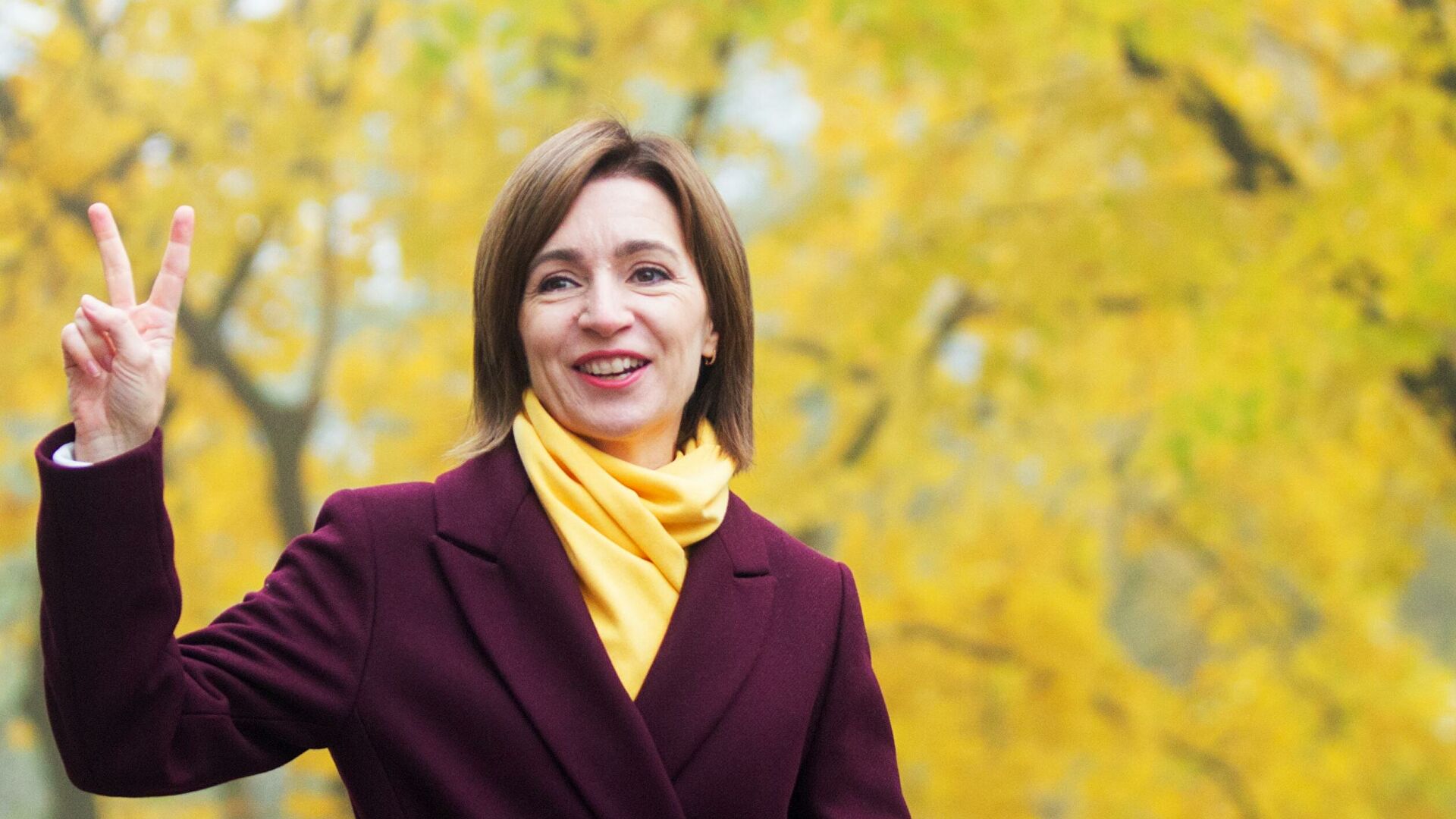
The win of president-elect Maia Sandu, Moldova's first woman president, was greeted with enthusiasm in Western capitals as a sign that Moldova would remain pro-Western and democratic.  But, as others have pointed out, her election probably owes more to the anti-corruption mood among Moldovan voters. Candidate Sandu was unequivocal that "the state serves the people instead of a small circle of crooks," and the electorate agreed. For that reason alone, Sandu's election is to be celebrated. She is a strong advocate for transparency in government and against corruption. Even more significant, she ascends to the presidency at a moment when East European women have emerged as the standard-bearers for a more honest and inclusive government that is responsive to the electorate and to social needs.

Maia Sandu

Maia Sandu / Photo: Reuters

Women have always played a notable role in Eastern European politics, including immediately after the fall of the Soviet Union. The Woodrow Wilson Center for Scholars in its report, Women in East European Politics, wrote that women participated in the drive to transform the communist system through demonstrations, civil activism and roundtables and, despite concern that their participation might decline due to economic and social hardship, by the early 2000s, when the Woodrow Wilson Center's report was written, "women with good qualifications and professional experience are slowly gaining political power and influence in several countries".  

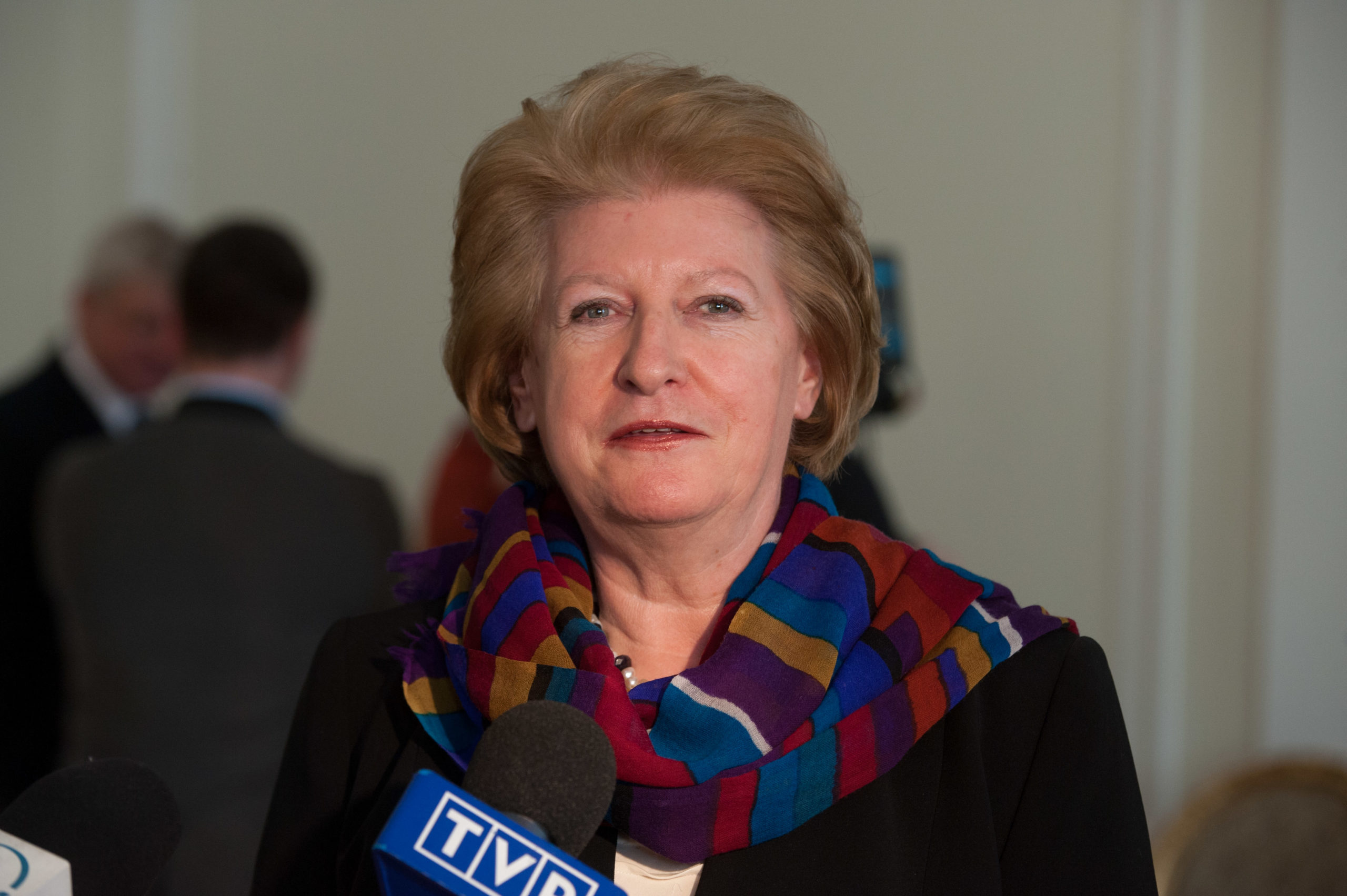
In fact, talented, forward-looking women provided political leadership in Eastern Europe throughout the transition period to the present, and a number have risen to high public office. In Poland, Hanna Suchocka was a member of parliament before the fall of the Soviet Union and an early member of Solidarity. Following the collapse of the communist government, she served as prime minister in 1992-1993, where she emphasized social reconciliation during the transition to a free and democratic Poland. She was only the first of several Polish women prime ministers. She was followed in the 2010s by Ewa Kopacz (2014-2015) and Beata Szydlo (2015-2017) (both are now members of the European Parliament). 

Hanna Suchocka

Hanna Suchocka / Photo: ocdn.eu

Jadranka Kosor, the first woman prime minister of Croatia from 2009 to 2011, was notable for her zero tolerance of political corruption and of organized crime, both of which afflict countries across Eastern Europe. 

Jadranka Kosor

Jadranka Kosor / Photo: vecernji.hr

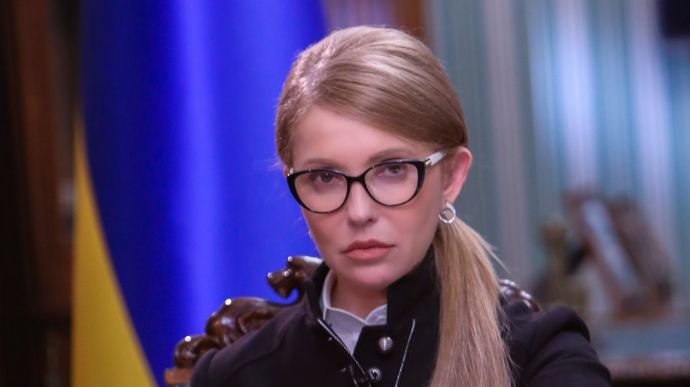
Perhaps one of the best known is Ukraine's controversial Yulia Tymoshenko, who served twice as Ukraine's first woman prime minister in 2005 and again in 2007 to 2010. Her tenacity in navigating the shifting political currents in Ukraine has made her a lightning rod in Ukraine's search for identity.  

Yulia Tymoshenko

Yulia Tymoshenko / Photo: pravda.com

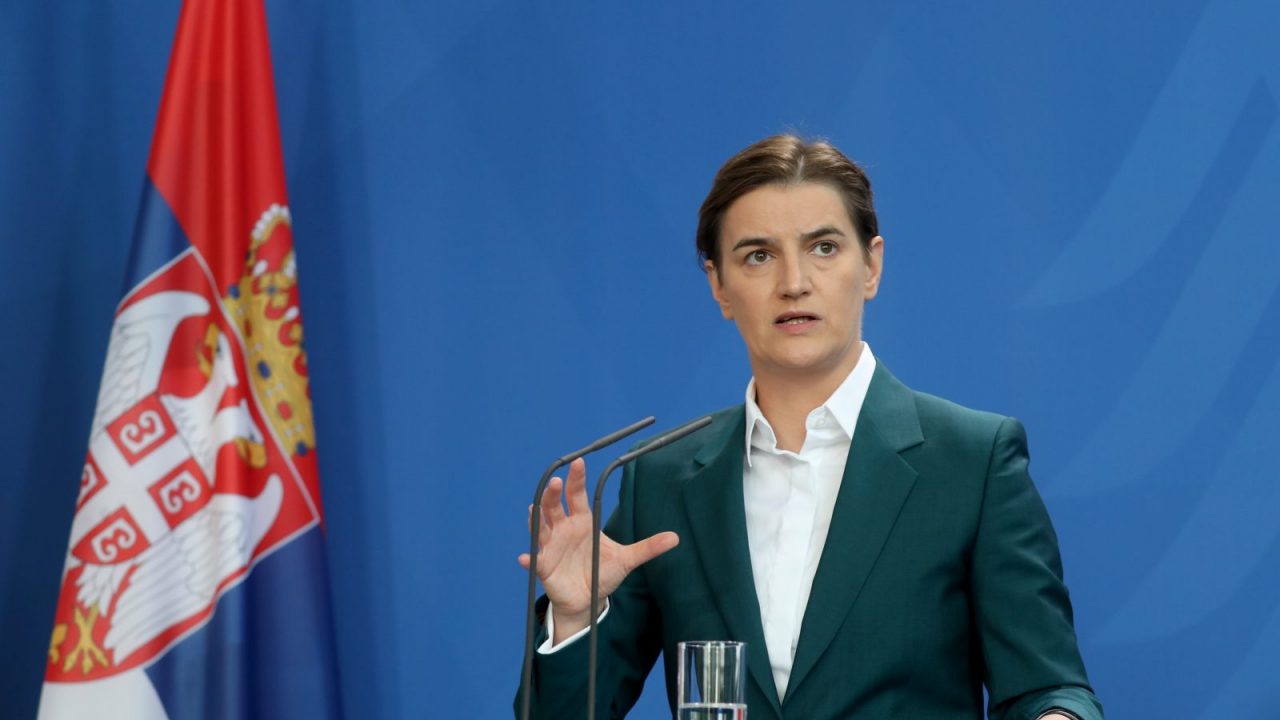
In Serbia, Ana Brnabic is not only its first woman but also its first openly gay prime minister, establishing a precedent in social tolerance.

Ana Brnabic

Ana Brnabic / Photo: balkaninsight.com

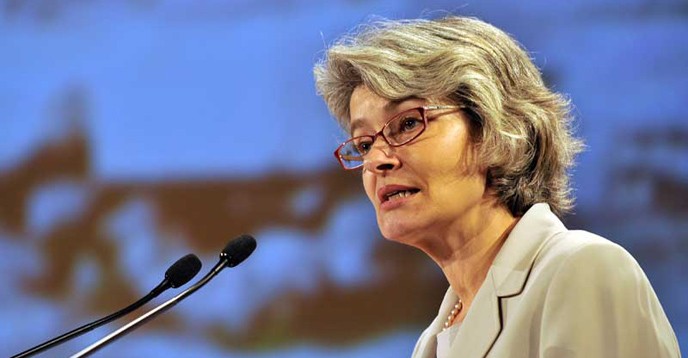
On the international stage, Irina Bokova from Bulgaria was the first Eastern European woman to lead a global institution as Director-General of UNESCO from 2009 to 2017. She is an outspoken proponent for equality and against anti-Semitism. And, in 2019, Kristalina Georgieva from Bulgaria was selected Managing Director of the IMF. She strongly advocates tackling climate change – including effects on social equality – and women's empowerment (both were floated as candidates for Secretary-General of the UN as Secretary-General Ban Ki Moon's term came to an end in 2016).

Irina Bokova

Irina Bokova / Photo: unesco.org

What about experience?

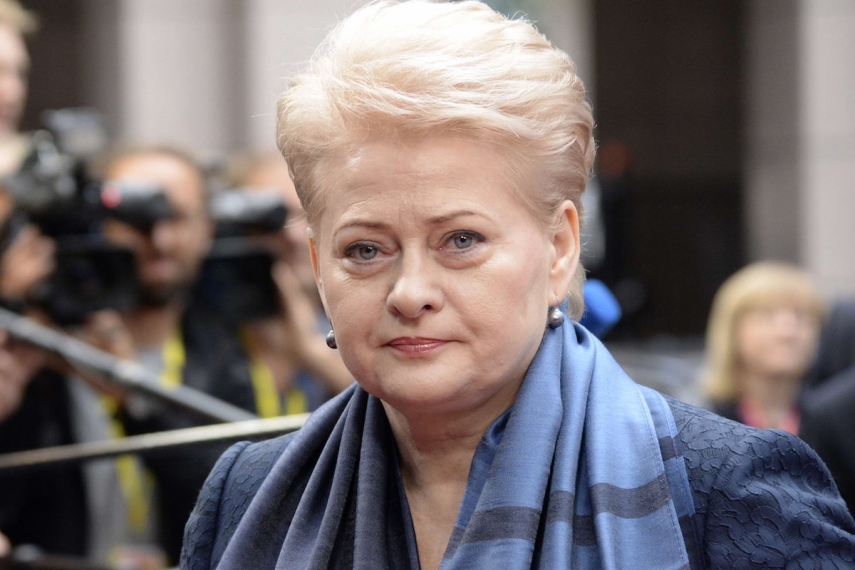
Many of these women, like president-elect Sandu, have histories as experienced professionals and successful politicians. Sandu served briefly as an economist at the World Bank before turning to politics in Moldova. She then served as Minister of Education and was elected to parliament. Dalia Grybauskaité, Lithuania's first woman president from 2009 to 2019, served in a number of posts related to EU relations and as minister of finance. She is an outspoken supporter of European integration and a critic of Russian aggression against its neighboring countries.

Dalia Grybauskaité

Dalia Grybauskaité / Photo: baltictimes.com

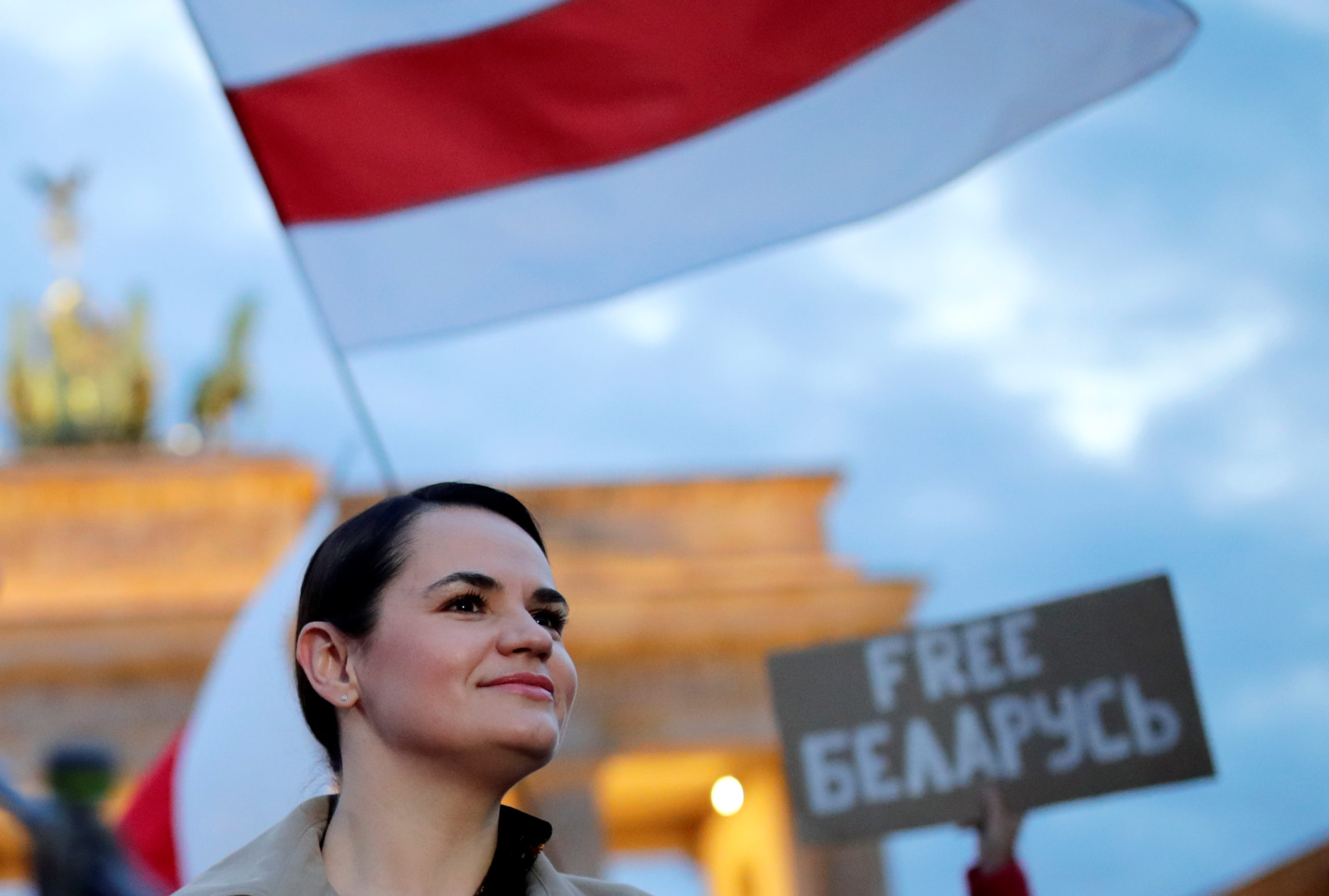
Others have risen to the moment without professional or political experience. The preeminent example, of course, is Svetlana Tsikhanovskaya this year in Belarus, who is the presumed president-elect, although the previous president, Alexander Lukashenko, refuses to give up power.  Tikhanovskaya stepped up when her husband, Sergei Tikhanovsk, a well-known blogger and candidate for president, was jailed.  With no previous political experience, Tikhanovskaya has become the face of civil society's revolt against election fraud and government corruption.

Svetlana Tsikhanovskaya

Svetlana Tsikhanovskaya / Photo: Reuters

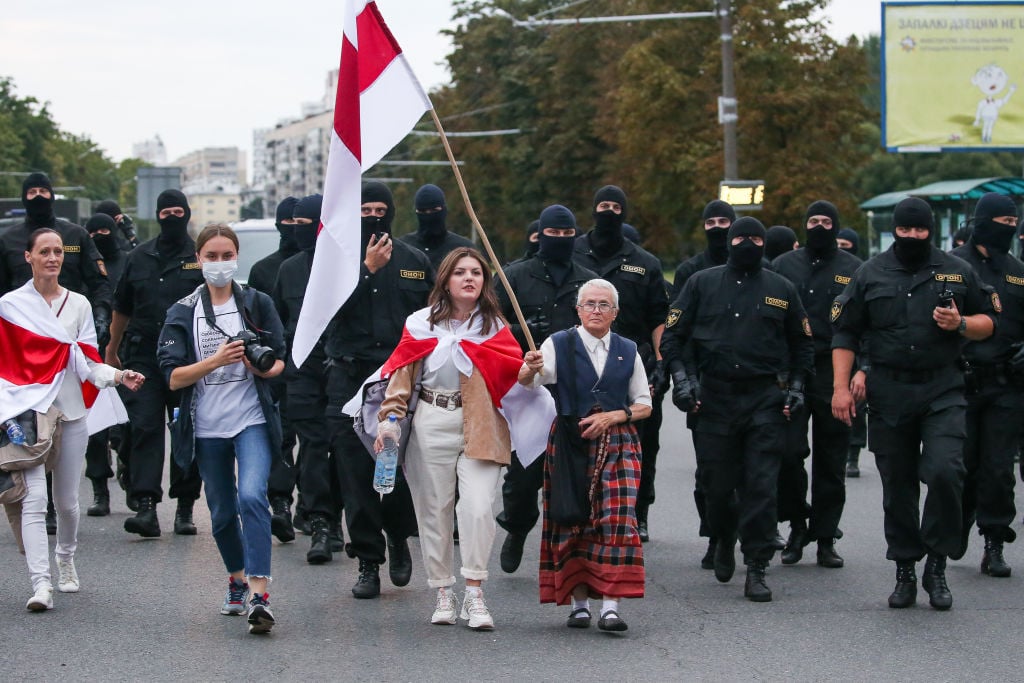
The example of Belarus is profound. The opposition to Lukashenko is led not by one woman but three extraordinary women; Svetlana Tikhanovskaya, Veronika Tsepkalo, whose husband was forced to flee Belarus, and Maria Kolesnikova (and a fourth is 73-year-old activist Nina Baginskaya who is a prominent participant in street protests). Their courage and political savvy are extraordinary in the face of threats to their personal well-being, including physical harm and imprisonment.  Underscoring the leadership of these three women, arguably the most effective protestors in Belarus are the thousands of women marchers, including an older generation among pensioners.

protestors in Belarus

Photo: Getty Images

How women in politics change Eastern Europe

Often led by forceful women, Eastern European society is pushing a renaissance of sorts against the clannish and male-dominated political structures that have failed to deliver greater economic security or end corruption (recent events in Poland and Hungary notwithstanding). Women such as Maia Sandu, Svetlana Tikhanovskaya, Dalia Grybauskaité, and others have made government accountability and anti-corruption the cornerstone of political change in Eastern Europe.

As they demand a more accountable civic order, they are also eroding a lingering misogyny in politics. As Maxim Edwards writes in GlobalVoices of Maia Sandu's election,

"The symbolism of Sandu's victory is not trivial, particularly given that she has faced sexist language, attempts to spread falsehoods about her personal life, and criticism from religious figures for being unmarried into her 40s. The hope is that Moldova's first female president can set a new tenor on equality in public life, which the office's symbolism of the position will certainly allow her".

President-elect Sandu has said that change takes time and wisdom but also change is a sign of maturity. A host of impressive women are leading that change in Eastern Europe.